YAN Leadership and Tribal Members Contribute to 2026 State of the Verde Watershed Conference
YAN NEWS
COMMUNITY & CULTURE
YAN Leadership and Tribal Members Contribute to 2026 State of the Verde Watershed Conference
YAN leadership and tribal members joined regional conversations on history, culture, land and water during this week’s State of the Verde Watershed Conference at Cliff Castle Casino Hotel.
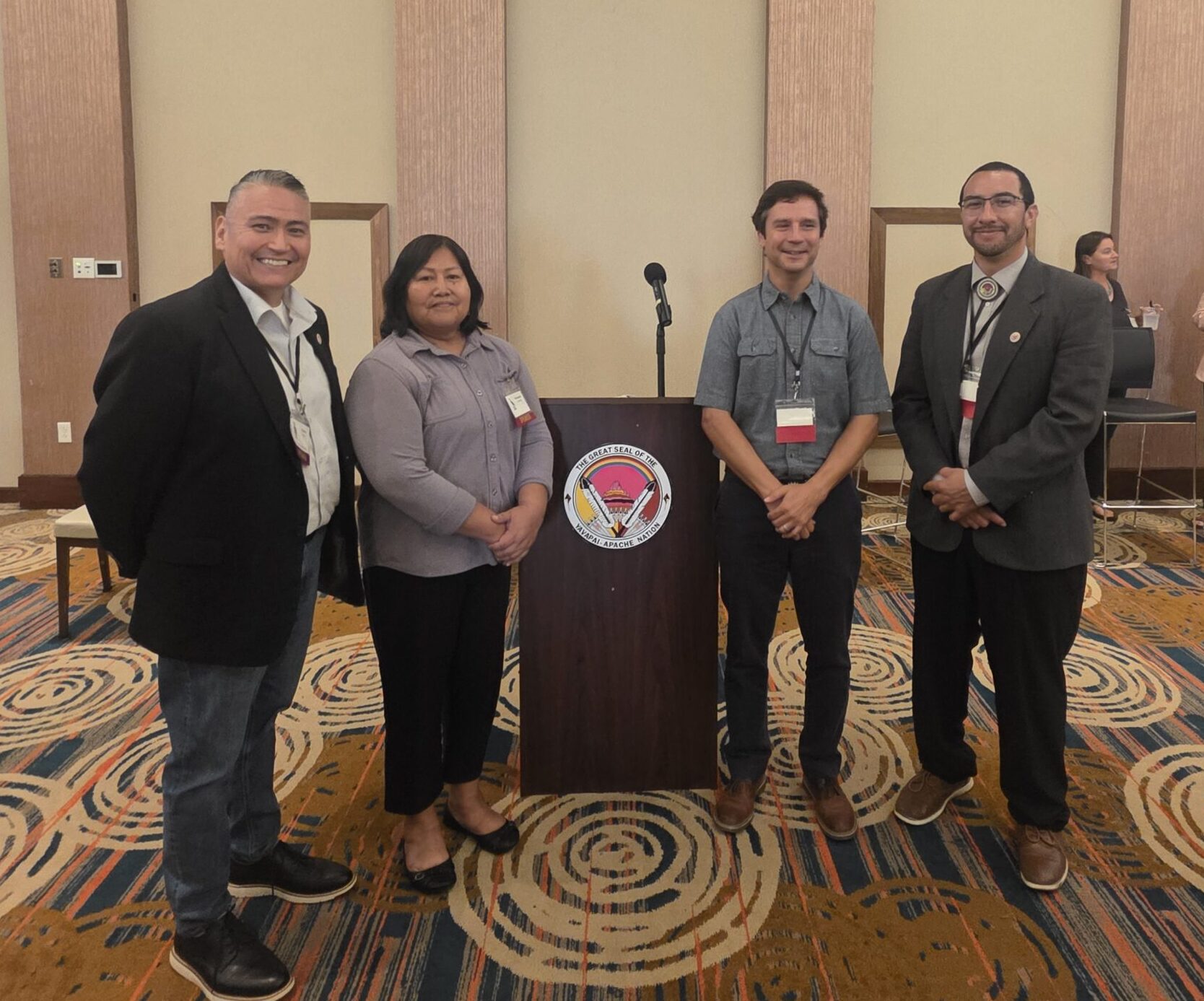
Photo by Treyson Fullmer / YAN Communications
The 2026 State of the Verde Watershed Conference brought together Tribal representatives, community leaders, researchers, conservation professionals, water experts and others at Cliff Castle Casino Hotel this week to discuss the Verde watershed and its future.
Held under the theme “One Watershed, Many Voices: Science, Policy, and People,” the conference featured presentations and discussions focused on the Verde’s natural and human history, connections between land and culture, water management, conservation and the long-term health of the watershed. The multi-day gathering also included opportunities for participants to explore these topics further through field activities across the Verde Valley.
Yavapai-Apache Nation leadership and tribal members were among those contributing to the conference on Tuesday, September 15.
Vice Chairman Charlie Baca IV provided the opening blessing, followed by Chairman Buddy Rocha Jr., who welcomed conference attendees to the Verde Valley and the Yavapai-Apache Nation. Chairman Rocha also contributed later in the day as discussions turned toward water management, regional cooperation and the importance of Tribal involvement in conversations affecting the Verde River.
YAN tribal members were also among the presenters contributing their knowledge and perspectives to the day’s discussions.
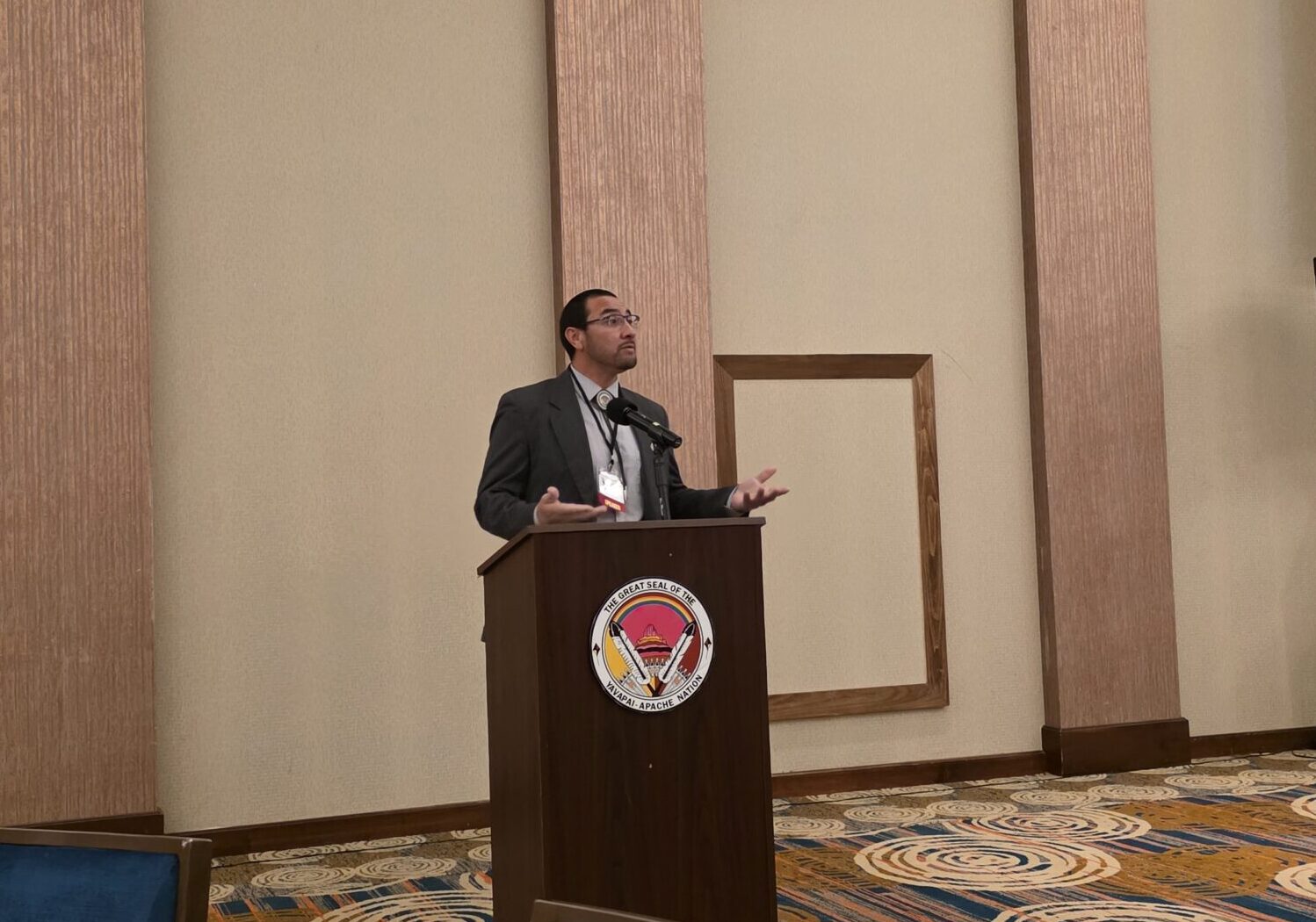
Photo by Treyson Fullmer / YAN Communications
Dr. Maurice Crandall, a YAN tribal member and Associate Professor at Arizona State University, participated in “Watershed as Witness: the Verde’s Natural and Human History.” Crandall joined a panel exploring how people and the Verde Valley landscape have influenced one another over time. The discussion traced changes throughout the region, including settlement, mining, agriculture, irrigation and groundwater use, while also examining the much longer history of Indigenous people and their relationship with the Verde.
Crandall later joined Thomasene Cardona, a YAN tribal member, graduate student at Northern Arizona University and founder of the Yavapai Land and Culture Collective, along with other members of the Collective for a session centered on Yavapai land, history and culture. Their participation brought Indigenous perspectives into the broader conference conversation and highlighted the importance of understanding the Verde Valley through the experiences and histories of the people who have long called the area home.
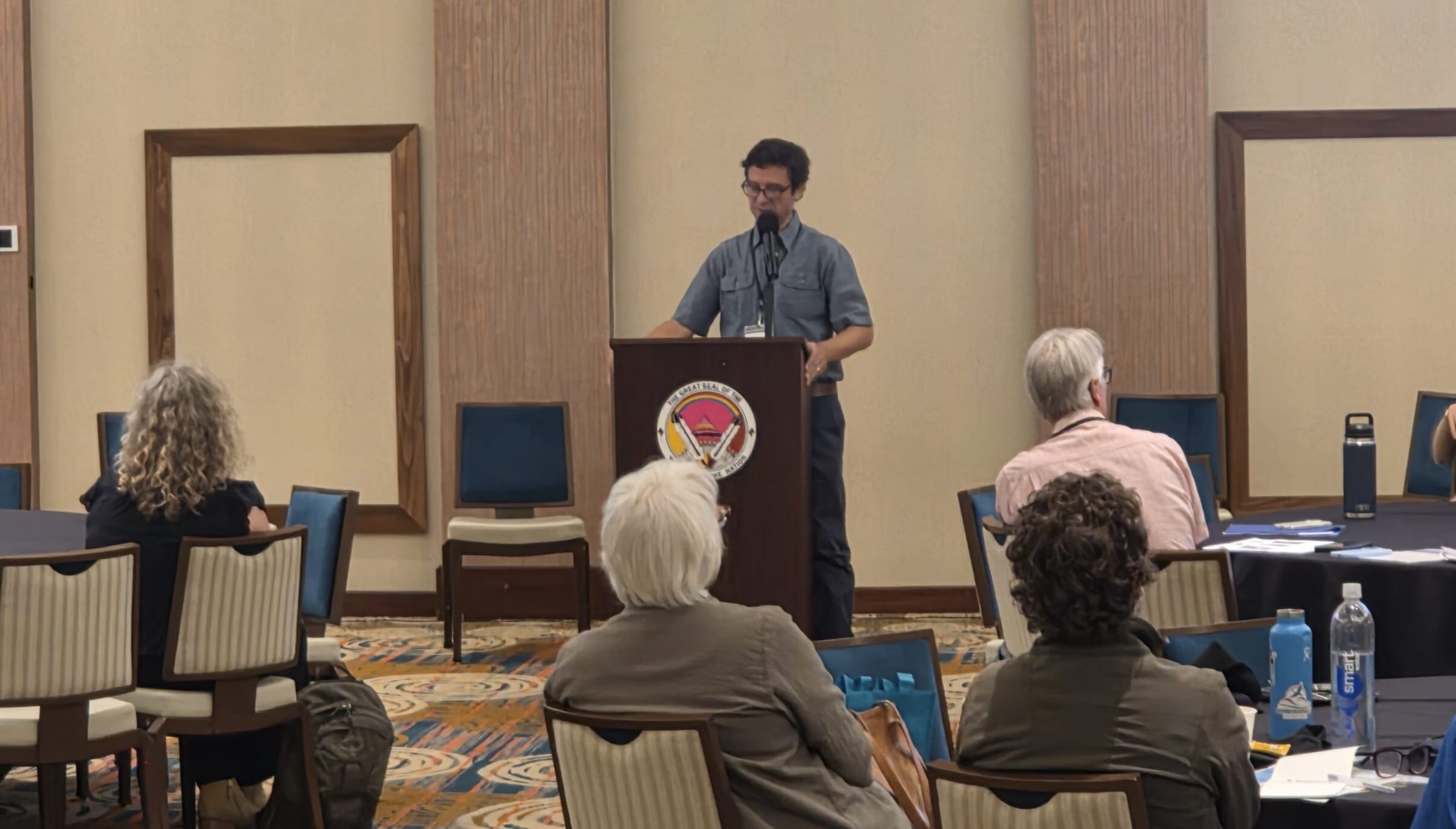
Photo by Treyson Fullmer / YAN Communications
Across the day’s sessions, speakers returned to the relationship between people, land and water. Discussions touched on changes to the Verde and its surrounding riparian areas, the different ways communities use and value water, and the need to consider both the history of the watershed and the decisions that will shape its future.
Those themes continued during an afternoon panel focused on shared water responsibility, growth and drought resilience. Sue Montgomery, legal counsel who works with the Yavapai-Apache Nation on water matters, joined the discussion to provide additional perspective, alongside remarks from Chairman Rocha on the Nation’s involvement in regional water issues.
The conversation emphasized the importance of including Tribal Nations in regional water discussions and continuing cooperation among the many communities and organizations that depend on the Verde. Speakers also addressed groundwater, monitoring, conservation and the different interests involved in planning for the watershed’s future.
A recurring theme throughout the day was the connection between communities across the Verde watershed. While communities may have different histories, needs and perspectives, discussions emphasized the value of collaboration, continued monitoring and looking beyond individual interests when considering the long-term health of the Verde.
The conference continued throughout the week with additional presentations, discussions and field activities, providing participants opportunities to further explore the watershed and connect the topics discussed during the conference with locations throughout the Verde Valley.
0 Comments